
Ragen’s Protector Ideal and Its Contradictions
The Minds of Billy MilliganThis thread follows Ragen’s development from a defensive protector into a figure whose ideals of protection sometimes justify vigilantism, criminal employment, and violence.
increasing Bearing strength in each event
 decreasing
Bearing strength in each eventdecreasingStrength Given a Purpose
The Protector Takes Shape
A response to danger
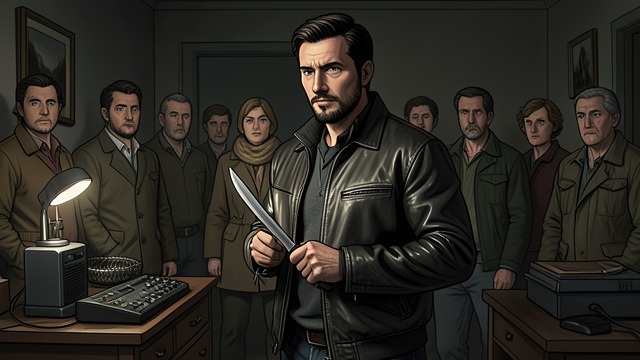
Ragen emerged in a childhood shaped by fear and physical threat, with strength and aggression directed toward survival. His role was to protect the vulnerable people within Billy and to respond when the outside world seemed dangerous.
Rules meant to contain force
Arthur helped define limits for Ragen’s power: protection, not unprovoked attack. Their arrangement gave the inner group a way to imagine order, but it also made Ragen’s judgment central whenever danger appeared.
The Rescue at the Construction Pit
Force in Defense of the Vulnerable
A threat to Danny
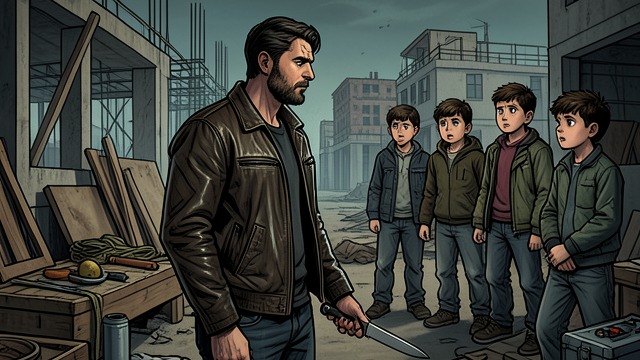
When older boys threw rocks at Danny after he was trapped in a construction pit, Ragen took the spot. He confronted them with a knife, turning a situation in which Danny could not protect himself into one the bullies chose to abandon.
Protection shades into danger
Ragen’s action fit his self-appointed role, but it also showed how quickly protection could become a threat of serious violence. Arthur observed the episode and understood that Ragen’s power might be necessary, while also recognizing the need to control it.
A Criminal Job as Protection
The Protector Enters the Underworld
Recruitment through demonstrated skill
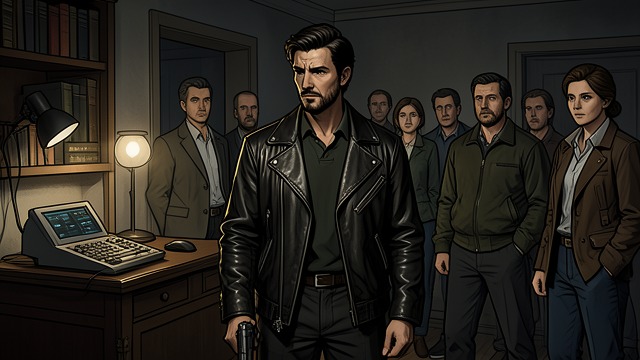
After a tense meeting with Brian Foley, Ragen proved his competence with weapons and was hired to escort shipments. He interpreted the work through his protector identity, accepting the role while insisting that he would not harm women and would use force only when he considered it necessary.
An ideal compromised by criminality
The job involved transporting weapons and narcotics, placing Ragen’s protective self-image inside a criminal enterprise. His work exposed a contradiction between his stated principles and the lawbreaking he accepted as a means of gaining money, power, and control.
A Robin Hood Intervention
Compassion with a Criminal Method
A response to children in need
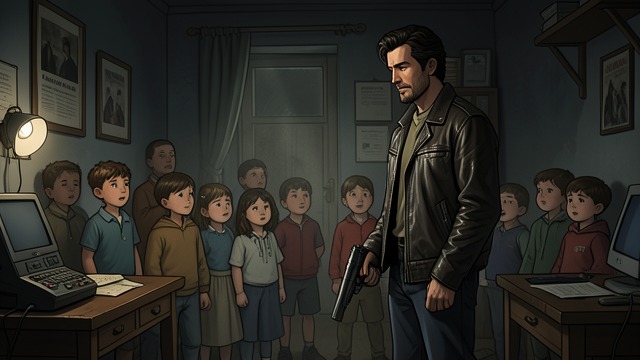
Ragen saw two children without shoes and concluded that the man nearby had exploited them. He robbed the man and gave the money to the children, describing the act as help for families unable to afford necessities.
Arthur challenges the rationale
Arthur objected that giving the stolen money away did not make the robbery permissible and reminded Ragen that carrying a gun violated parole. Ragen’s reply—that life outside prison did not feel much better—revealed how his desire to protect others was entangled with a preference for environments where he could exercise control.
Defending Danny at the Rest Stop
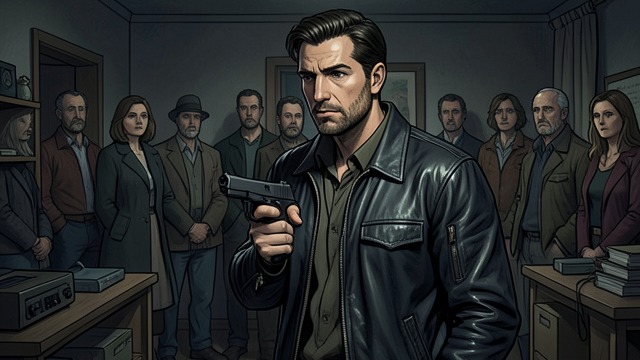
Protection at a Moment of Assault
A danger recognized too late
When Danny was cornered in a roadside restroom by two men, fear overwhelmed him. Ragen took over and used force to stop the assault, then got Danny away from the scene.
Protection carries consequences
Ragen treated the violence as a justified defense of a vulnerable child, while Arthur later warned that the roadside stops were dangerous and that others could interpret the resulting injuries as evidence of criminal conduct. The episode captures the protector ideal at its clearest and its costliest: safety was achieved, but through a level of violence that intensified scrutiny of the whole group.
After Billy’s childhood abuse begins, around age nine
During Billy’s youth, after the family moves to Lancaster
Late 1973, after Ragen meets Brian Foley
Late summer 1977, after Billy begins work at Channingway Apartments
December 1977, during the confused period before the arrest
